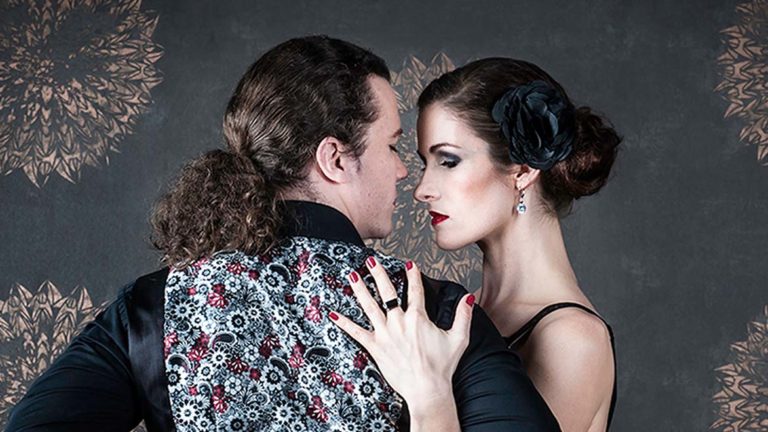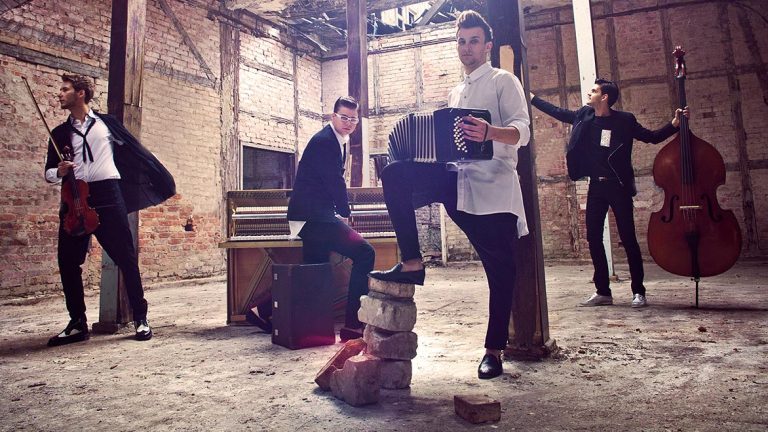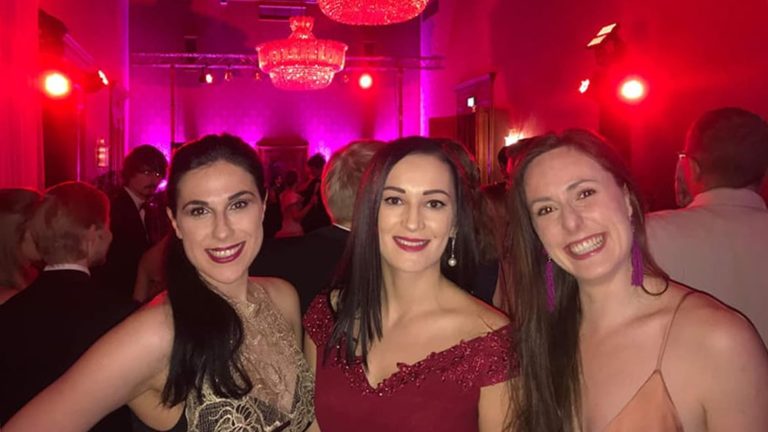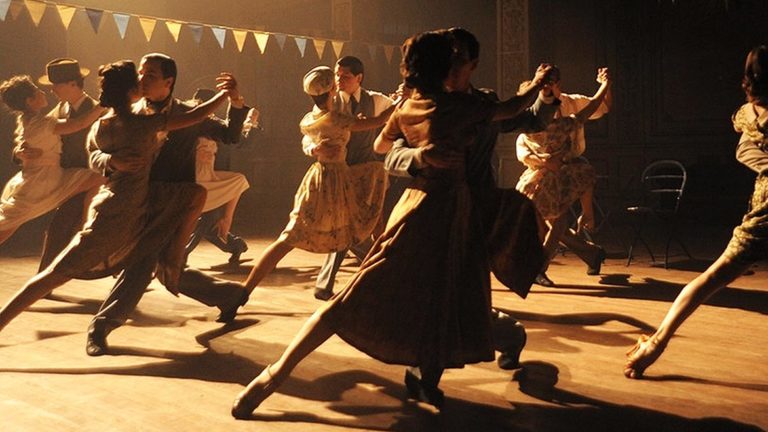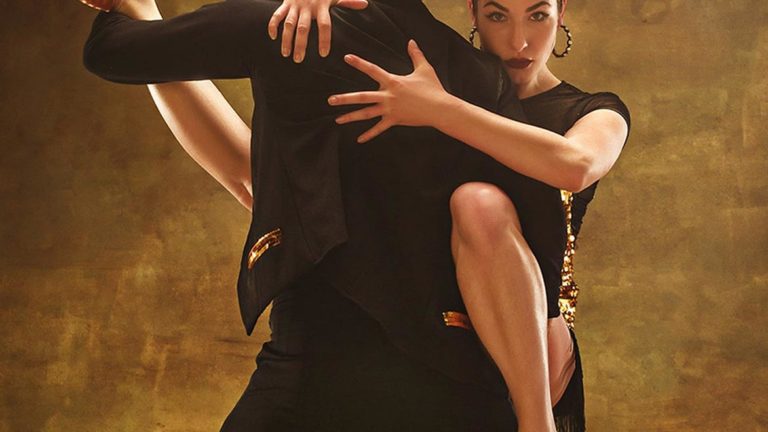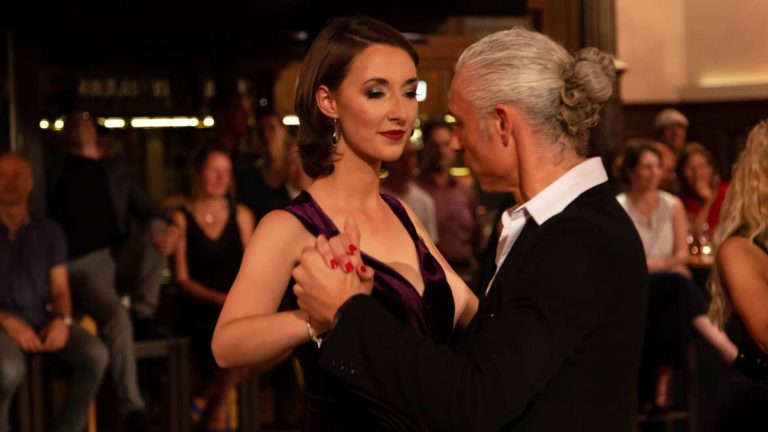


Argentine tango is a dance to which controversy is definitely not foreign. Even from the time it was first created, it was controversial. So it’s no surprise that some dancers themselves are considered “controversial”. Among these personalities is the world-famous Tango dancer Alejandra Mantiñan, who now enjoys the reputation of a living legend.
Freely based on the English original text by Anita Flejter, Ultimate Tango/USA
What makes tango tango?
In its more than hundred-year history, Argentine tango has repeatedly been criticized. From being disparaged as a “dance for the lower classes”—something that, from today’s perspective, would actually dignify it—to bans imposed by the Pope, the attacks went that far. Tango survived all of this, yet even today it remains at the center of debates about different topics and viewpoints.
Whether it’s gender roles, machismo, feminism, queer tango, acceptance, freedom, or creativity—these are all discussion topics on which there are controversial stances within the worldwide tango community.
Moreover, the fundamental question of what actually makes tango tango is still a controversial issue. On the one hand, there are the traditional milongueros who believe that tango has to be danced in a specific way. On the other hand, there are younger tango dancers who are trying to revolutionize the definition of tango.
Finally, Argentine tango is a form of creative self-expression. Based on this definition, one would assume that tango encourages nonconformism among dancers—even among those who follow the inherited rules.

Who is Alejandra Mantiñan?
For many years now, Alejandra Mantiñan has been a name in the tango world that no longer needs introducing. But for those who still don’t know her: Alejandra Mantiñan is considered a living tango legend, famous as a dancer with “magic feet”. In short, her talent and her contribution to the tango community are so great that her name is synonymous with a goddess, a queen, or an icon of tango.
Alejandra is also known for the humor that characterizes her dance style. She loves to show funny interludes and playful embellishments that she constantly invents anew. She’s not only a fantastic dancer, but also a perfect entertainer. The audience adores her for it!
From a young age, Alejandra dreamed of traveling the world as a professional dancer. Even though she didn’t necessarily think of tango as the dance she wanted to make her career, nothing kept her from following her dreams—not even a serious accident.
As it says in a piece on the Argentine website Tango Fashion News:
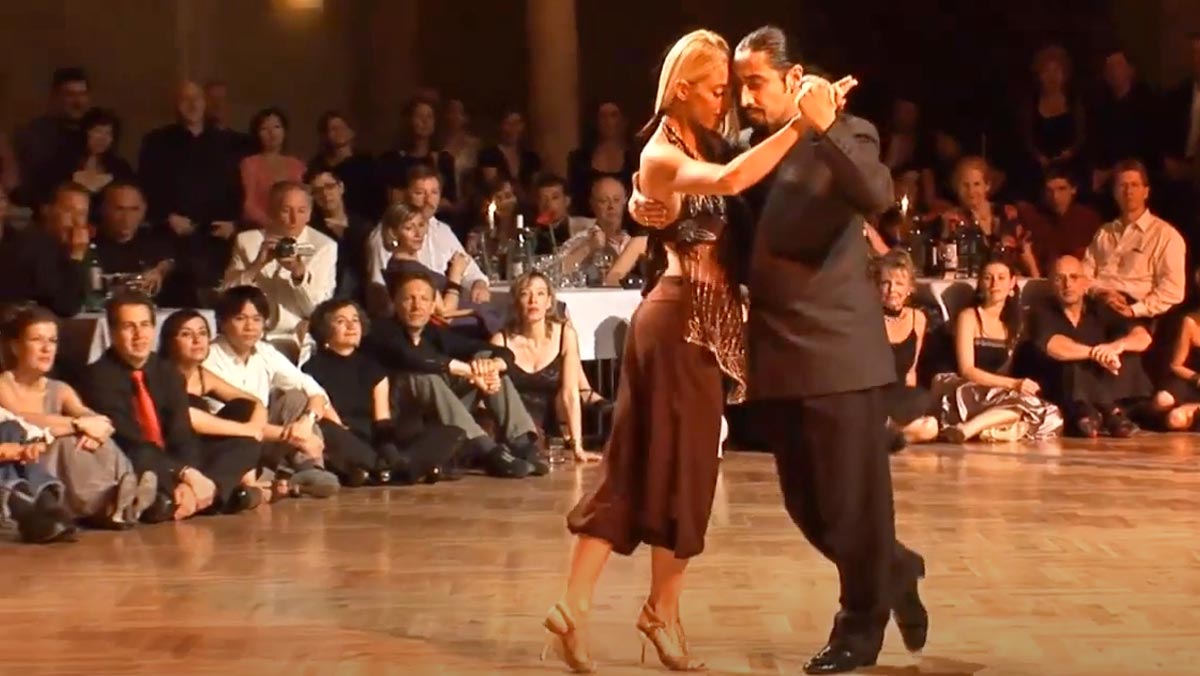
Alejandra Mantiñan and Gregorio Garrido performing
A Star on the stages of the world
Aside from her skills and knowledge in tango dancing, her international experience and the list of her dance partners are also remarkable. In the more than 30 years of her career, Alejandra Mantiñan had the opportunity to share the stage with some of the most influential and inspiring dancers.
An article by Bali Tango in Paradise lists Alejandra’s partners and her successes:
By the way, Alejandra was also Antonio Todaro’s assistant for five years. For those who don’t know: Antonio Todaro was one of the most creative tango dancers who ever lived. He loved to invent long, sharp, complex sequences of striking steps—steps that you can still see today in many professional tango dancers.
Alejandra was also a jury member for the Mundial de Tango de Buenos Aires (the Tango World Championship) and for many other competitions around the world. How is it possible that a seemingly so popular tango dancer is controversial within the tango community, with all these awards and praise?
 Alejandra Mantiñan
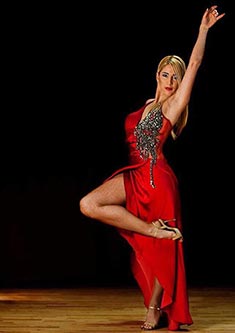
- Alejandra in an elegant pose
- Alejandra and Aoniken Quiroga

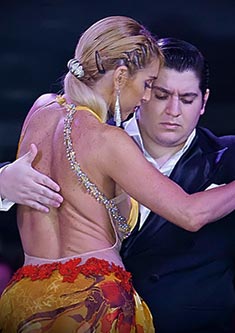
Alejandra Mantiñan’s method
One distinctive feature that may set Alejandra Mantiñan apart from other famous tango dancers is her medical background. This in itself is not a reason for controversy. However, it’s the way Alejandra applies her medical knowledge to tango that brings both admirers and critics to the scene.
As a result, since tango is supposed to be a dance for everyone, much of the culture surrounding it is rather traditional. So anyone who breaks with established norms or Codigos in order to take new paths toward understanding tango sometimes meets resistance or rejection.
Alejandra Mantiñan has introduced her own scientific method of tango dancing, which is certainly seen as a way to challenge the status quo.
Alejandra in an interview with Pepa Palazon
In an interview with Pepa Palazon in her talk show series Tengo una Pregunta Para Vos, Alejandra explains how she developed her scientific tango method:
Alejandra explains that what she developed is “human mechanics”—the mechanics of ordinary people who have no other experience than going to work every day. By applying a scientific method to tango, Alejandra calls into question the idea that tango dancing is based only on improvisation, spontaneity, intuition, and feeling.
In the meantime, Alejandra Mantiñan has founded several tango schools, whose headquarters are in Rome. There, specially trained teachers teach according to Alejandra’s biomechanics method.
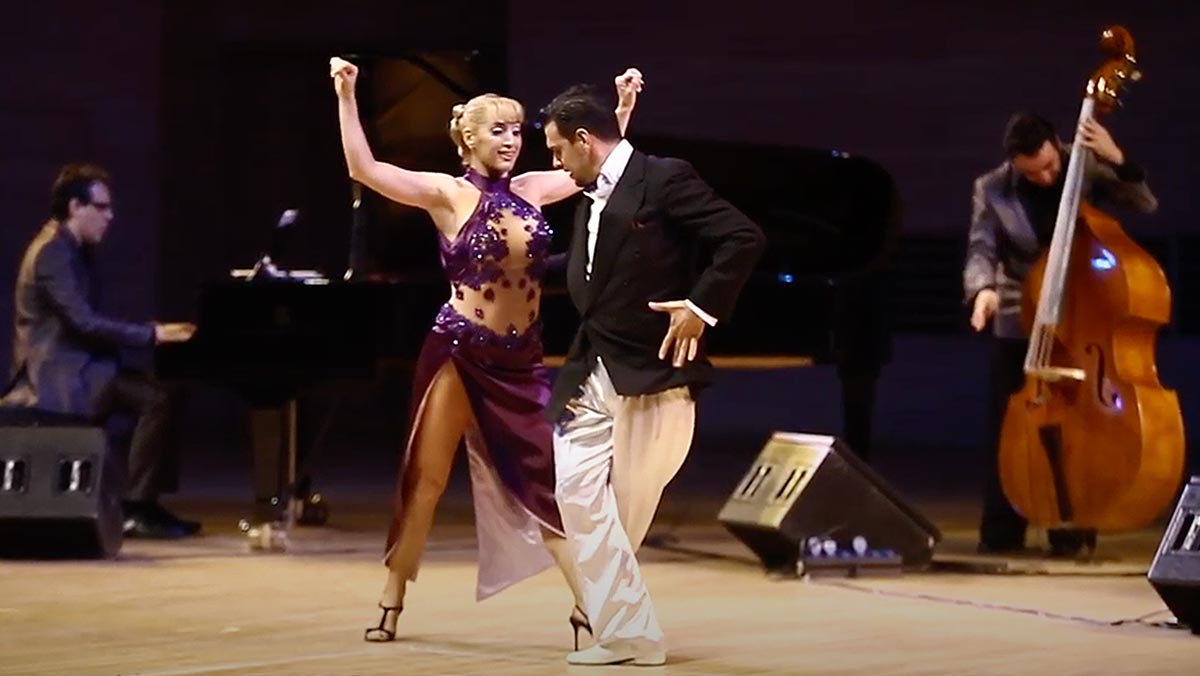
Alejandra Mantiñan and Leandro Palou dance to “Llorar por una Mujer”, Sexteto Milonguero live
Women as leaders
Aside from established norms, tango is also a dance that assigns fixed roles to men and women. Today, these roles are defined more contemporarily as leaders and followers, or as Leader and Follower. What’s more, there are currently many tango groups that advocate for the stronger inclusion of those who—regardless of gender—take on the role of leader or follower.
Even the terms Leader and Follower are now being questioned, as they can lead to misunderstandings about the responsibility of each dance partner. For example, Tango Forge suggests renaming the roles of leader and follower with the less gender-specific terms “Mark” and “Revel”.
At the time when Alejandra Mantiñan made a name for herself in tango, such considerations were received negatively, even with hostility. Therefore, it’s not surprising that Alejandra was heavily criticized for dancing as a leader. The Queer Tango Project shows two videos from that time in which Alejandra dances with female partners. In one of them, she is dressed as a man and performs at the traditional club Gricel.
In an interview on Tengo una Pregunta Para Vos, Alejandra talks about her experiences herself:

Documentary about Alejandra’s life
The documentary The Tango and Me, directed by Joergen Erik Assentoft about Alejandra’s life, makes her stance on the topic “Women as Leaders” even clearer.
In a review published in the journal Universal Cinema, the author writes:
Freedom and acceptance
In another, equally controversial debate about Alejandra Mantiñan, though, the focus is on her statements about the obvious hypocrisy in the tango world. Although Alejandra is now a popular tango dancer, earlier on she had to deal with many humiliating and demeaning comments—precisely because of the dance style that made her famous.
Many people talk about how difficult it can be to learn and master tango. But Alejandra’s experiences show how difficult it is to achieve freedom and acceptance in a community that markets tango as a dance in which you are supposedly free to express yourself.
In a conversation with Pepa Palazon on Tengo una Pregunta Para Vos, Alejandra says the following about it:
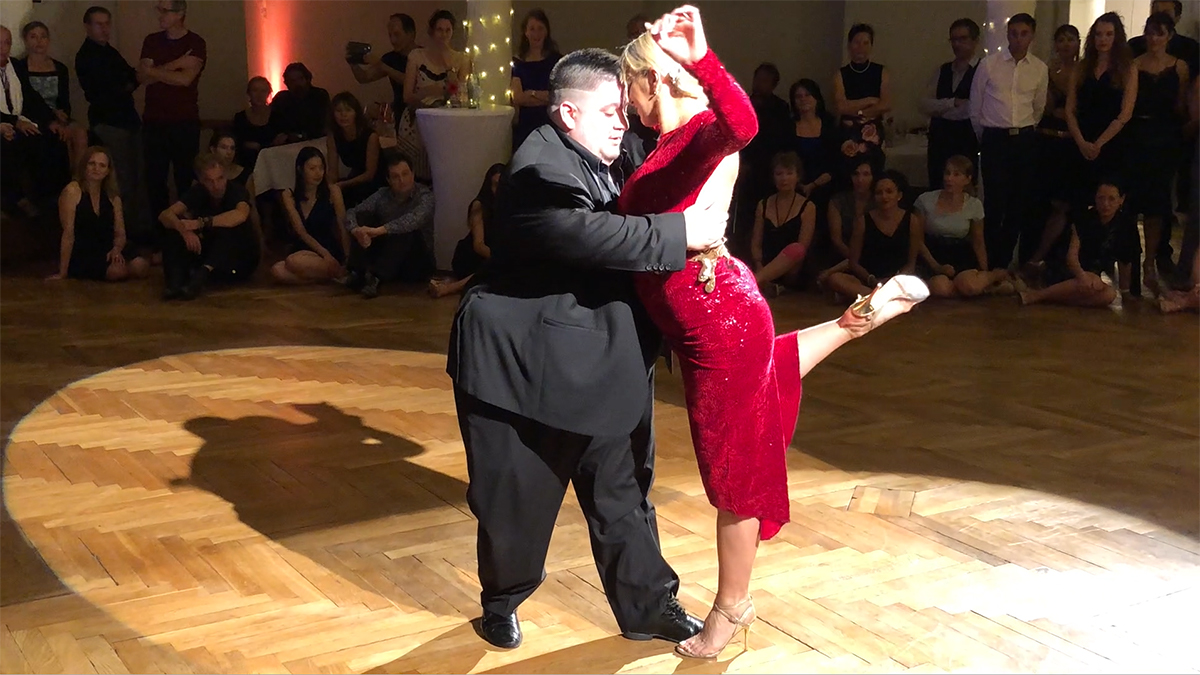
Alejandra Mantiñan and Aoniken Quiroga dance to “Buscandote”, Orquesta Pasional live
A free spirit
All of this makes it encouraging to know that Alejandra was able to look past the criticism directed at her and, nevertheless, continued to pursue her career with great drive.
In the meantime, Alejandra Mantiñan enjoys the reputation of being a living tango legend. Because many tango dancers—especially those who want to improve their craft and do something different—have drawn inspiration from her story. Her earlier critics, however, can no longer deny her talent and skills on the dance floor, which are now recognized worldwide.
Even if some still see her as “controversial” because she challenges established rules, Alejandra remains a free spirit. Her life story is, in any case, the best proof that standing up for her beliefs was worth it.
***
Links
Original article in English on Ultimate Tango
Interview with Pepa Palazon on Tengo una Pregunta para Vos (Spanish with English subtitles)
***